
Frozen Pipe Repair and Prevention: Protecting Residential and Commercial Plumbing Systems During Winter
June 8, 2026Frozen pipes can seriously threaten your plumbing during winter. To prevent this, maintain indoor temperatures above 55°F, insulate vulnerable areas like attics and basements, and seal any air leaks. Watch for signs of freezing, such as reduced water flow or strange sounds, and act quickly to avoid bursts. In emergencies, shut off the water supply and carefully apply heat to the affected area using safe methods. Regular inspections and preventative measures are essential for both residential and commercial systems. You’ll discover more strategies to effectively safeguard your plumbing against extreme cold temperatures.
Introduction
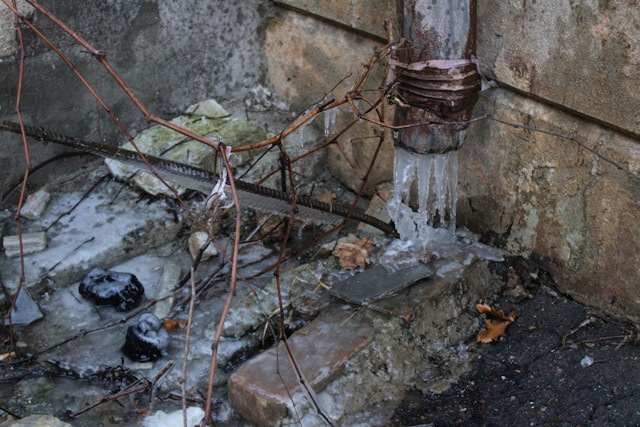
During winter, the threat of frozen pipes looms, posing significant risks to your plumbing system. When water within pipes freezes, it expands, potentially causing cracks or bursts that lead to costly repairs and water damage prevention challenges. Identifying high-risk areas, such as attics, basements, and exterior walls, is essential for effective winter plumbing maintenance.
You must be proactive in addressing these vulnerabilities to avoid the need for frozen pipe repair. Insulation of exposed pipes, sealing air leaks, and maintaining consistent indoor temperatures play important roles in mitigating freeze risks. It’s also critical to drain outdoor fixtures and install freeze protection systems where necessary, as these measures contribute to an overall robust plumbing strategy during the colder months.
Causes of Pipe Freezing: How low temperatures affect plumbing systems
Low temperatures create a significant risk for plumbing systems, as water’s behavior changes drastically when exposed to freezing conditions. When the temperature dips below 32°F, water within your pipes begins to freeze, expanding in volume and exerting pressure on your plumbing infrastructure. This pressure can lead to cracks or ruptures in the pipes, often necessitating emergency pipe thawing services.
The primary cause of freezing is inadequate insulation or exposure to cold air, especially in unprotected areas of the plumbing system. Frozen water supply lines can restrict water flow, disrupt your daily routine, and increase the risk of extensive damage. It’s vital to address these vulnerabilities through proper plumbing system winterization techniques.
Winterization includes insulating pipes, sealing gaps, and ensuring a consistent indoor temperature, effectively reducing the chance of freezing. If you find yourself dealing with frozen pipes, immediate action is essential to mitigate damage. Engaging professional pipe thawing services can restore normal water flow and assess any potential damage. Understanding these causes not only helps with prevention but also prepares you for swift action if freezing occurs.
High-Risk Areas: Attics, basements, crawl spaces, garages, exterior walls
In vulnerable areas like attics, basements, crawl spaces, garages, and exterior walls, the risk of frozen pipes considerably increases due to insufficient insulation and exposure to harsh winter conditions. These high-risk areas often lack the necessary temperature regulation, leaving pipes susceptible to freezing. Implementing effective pipe insulation solutions is critical for maintaining residential plumbing safety. Use materials such as foam sleeves or fiberglass insulation to cover exposed pipes and mitigate the risk of freezing.
Regular inspections are essential to identify any signs of wear in your insulation or air leaks that could lead to inadvertent heat loss. Furthermore, make certain your home maintains a consistent warm temperature, especially in these vulnerable spaces. In the event of a frozen pipe, quick access to emergency plumbing services can help minimize damage and reduce repair costs.
Additionally, consider installing heat cables in particularly susceptible areas, offering an extra layer of protection against freezing conditions. By proactively addressing these high-risk areas, you create a robust defense against the potential hazards of winter, enhancing the longevity and reliability of your plumbing system.
Warning Signs of Frozen Pipes: Reduced water flow, frost, unusual sounds
Recognizing the warning signs of frozen pipes is vital for preventing significant damage to your plumbing system. One of the earliest indicators of potential freezing is reduced water flow. If you notice that your faucets are running slowly or not at all, particularly in areas where pipes are exposed to colder temperatures, it’s important to investigate further.
Another telltale sign is the presence of frost on pipes. If you spot condensation or frost forming on sections of your plumbing, this suggests that the water inside your pipes may be approaching freezing temperatures. Take immediate action to address this condition.
Unusual sounds can also signal trouble. If you hear unexpected gurgling, banging, or hissing noises, it could indicate that water is struggling to flow through partially frozen pipes. These auditory cues demand prompt attention, as they may lead to more serious issues.
To guarantee adequate commercial plumbing protection, you should regularly monitor these warning signals during winter months. By being proactive in identifying these signs, you can take preventive measures before your plumbing system suffers from extensive damage.
Emergency Frozen Pipe Repair: Rapid response to prevent bursts and leaks
When dealing with frozen pipes, a rapid response is essential to preventing further damage, such as cracks or complete bursts. The first step is to identify the affected areas, usually located in poorly insulated sections of your property. You’ll need to monitor water flow closely; any significant drop indicates a potential freeze.
Immediately shut off the water supply to limit the damage if a pipe is confirmed frozen. Next, protect yourself by using insulated gloves and goggles when handling pipes. Check for frost or bulging areas on the pipe, as these may be signs of stress.
Apply heat cautiously to the frozen section, using a hairdryer or heat tape. Avoid using open flames, as this poses a significant fire risk and could further damage the plumbing. Keep the faucet open; this allows melting water to escape, alleviating pressure buildup.
Lastly, if you cannot locate or access the frozen section, don’t hesitate to contact a professional plumber. Timely intervention by a skilled expert can prevent leaks and costly repairs in the long run, ensuring your plumbing system remains intact throughout winter.
Pipe Thawing Techniques: Safe methods to restore water flow
Restoring water flow through frozen pipes requires employing safe and effective thawing techniques. Start by identifying the affected pipe section. Once located, use a hair dryer or heat gun to gradually warm the exterior, ensuring you maintain a safe distance to prevent damage. Move the heat source back and forth; constant, direct heat can compromise the pipe’s integrity.
Alternatively, wrap the pipe in towels soaked in hot water. This method permits uniform heat distribution, encouraging thawing without localized stress. If neither is available, consider using electric heat tape, which provides consistent warmth along the pipe.
Avoid using open flames, as this poses a significant fire hazard and can cause melting or rupturing in plastic pipes. Monitor the surrounding area for signs of moisture as the ice thaws—this will help you catch any leaks before they escalate.
Once the water flow resumes, open faucets to relieve pressure and release any remaining ice. Stay vigilant; it’s essential to address the underlying cause of freezing to prevent recurrence in subsequent winters. Implementing these techniques skillfully can safeguard your plumbing system against severe damage and downtime.
Pipe Insulation Solutions: Protecting vulnerable plumbing from freezing
Reliable pipe insulation solutions are essential for protecting vulnerable plumbing from freezing conditions. Insulation minimizes heat loss and creates a thermal barrier, preventing the water inside pipes from reaching freezing temperatures. When selecting insulation materials, consider options like foam pipe insulation, fiberglass, and heat tape, each designed to fit various pipe types and diameters.
Foam pipe insulation, a popular choice, is lightweight, easy to install, and efficient. It provides excellent thermal resistance and is ideal for pipes situated in unheated areas such as attics and basements. Fiberglass insulation, while more complex to install, offers superior temperature maintenance for larger plumbing systems, especially in commercial settings.
For pipes with a higher risk of freezing, heat tape is a viable option. This electrical heating element wraps around the pipe, providing controlled warmth. However, make certain of proper installation to avoid overheating or damage.
Regularly inspect your insulation for wear and damage, replacing any compromised sections immediately. By implementing proper pipe insulation strategies, you can greatly reduce the risk of freeze-related plumbing failures, making certain your plumbing system remains functional and reliable throughout harsh winter conditions.
Winterization Strategies: Sealing air leaks and maintaining indoor temperatures
Proper pipe insulation is just one aspect of safeguarding your plumbing during winter months; addressing air leaks and indoor temperatures is equally important. A well-sealed environment minimizes cold drafts and helps maintain a stable indoor temperature, crucial for preventing frozen pipes. Start by inspecting windows, doors, and outlets for any gaps. Use caulk or spray foam for small cracks, while weatherstripping can effectively seal larger openings.
Next, prioritize your indoor temperature. Keeping your home at a consistent temperature, ideally above 55°F, guarantees that interior pipes remain warm enough to avoid freezing. During particularly cold spells, it’s advisable to leave faucets dripping slightly, which can keep water flowing and reduce the chances of freezing.
Additionally, consider the use of thermal curtains to help regulate indoor temperatures and reduce heat loss through windows. If you have vents or ducts, verify they’re properly sealed to prevent warm air from escaping. By effectively managing air leaks and maintaining ideal indoor temperatures, you’re not just protecting your plumbing; you’re also enhancing your home’s overall energy efficiency and comfort during the harsh winter months.
Freeze Protection Systems: Heat tape and other preventive installations
Implementing effective freeze protection systems is vital for safeguarding plumbing from the detrimental effects of extreme cold. One of the most reliable solutions is heat tape, a specialized electrical heating element that you can wrap around pipes. It works by providing a constant source of heat, preventing water from freezing inside the pipes. Make certain you select the appropriate type, as there are both self-regulating and constant wattage heat tapes, each suited for different applications.
In addition to heat tape, consider insulating both pipes and surrounding areas with foam insulation sleeves or blankets. Insulation minimizes heat loss and considerably lowers the risk of frozen pipes. During installation, focus on high-risk areas like attics or crawl spaces where temperatures tend to drop quickly.
You may also look into trace heating cables, which can be installed along lengthy pipe runs that are difficult to protect with conventional insulation methods. Regular inspections of these systems are vital to guarantee that they function effectively throughout the winter months. By proactively implementing these freeze protection systems, you’ll not only protect your plumbing but also mitigate potential repair costs associated with frozen pipes.
Outdoor Plumbing Safety: Draining exterior lines and faucets
Outdoor plumbing safety is essential for preventing costly damage from freezing temperatures. To protect your external plumbing systems, you must guarantee that all outdoor lines and faucets are properly drained before the winter chill sets in. Here’s how to effectively manage this process:
- Turn Off the Water Supply: Locate and shut off the valve supplying water to outdoor spigots. This step prevents water from remaining in the lines, reducing the risk of freezing.
- Open Outdoor Faucets: Once the supply is turned off, open the outdoor faucets to allow any trapped water to drip out. This helps alleviate pressure and guarantees all water has adequate space to expand if it freezes.
- Drain Hose Attachments: Disconnect and drain any hoses, guaranteeing there’s no water left inside that could freeze and damage the hose or faucet.
- Insulate Faucets: Use foam insulation covers on exterior faucets for added protection. This additional measure can help prevent freezing even in severe cold scenarios.
Water Damage Prevention: Minimizing risk from burst or cracked pipes
Preparing your outdoor plumbing for winter is just one step in safeguarding your home against water damage caused by burst or cracked pipes. These issues often arise from frozen water expanding inside unprotected pipes, making careful management essential. Regularly inspect vulnerable areas, such as basements and attics, ensuring they’re well insulated and free of drafts.
You should also maintain a consistent indoor temperature; keep it above 55°F, especially in unoccupied areas. When temperatures drop considerably, allow faucets to drip slightly, providing relief for pipes under pressure.
Implementing pipe insulation, particularly on exterior walls and in crawl spaces, reduces the risk of freezing. Additionally, sealing any cracks in the foundation and walls can further prevent cold air intrusion. If you’re going away for an extended period, consider shutting off the main water supply and draining your pipes entirely to eliminate the risk of unseen damage.
Residential Plumbing Protection: Ensuring home water system safety
Ensuring the integrity of your residential plumbing system is essential for maintaining safe water access and preventing costly damages. As winter approaches, take proactive measures to protect your pipes from freezing conditions. Here are key steps you can follow:
- Insulate Exposed Pipes: Use fiberglass or foam insulation sleeves to cover vulnerable pipes in attics, basements, and crawl spaces.
- Seal Air Leaks: Check for gaps around windows and doors, and seal any leaks with caulk or weather stripping to maintain indoor temperatures.
- Maintain Indoor Temperatures: Keep your home at an adequate temperature, even during cold spells. Avoid dropping your thermostat below 55°F, especially at night.
- Drain Outdoor Fixtures: Before winter sets in, drain and store hoses, and shut off outside water valves to prevent freezing.
Commercial Plumbing Maintenance: Safeguarding businesses against freezing
Facing the threat of frozen pipes can disrupt business operations and lead to considerable financial losses. As a business owner, it’s vital to recognize that commercial plumbing systems are just as vulnerable to winter conditions as residential ones. Start by evaluating your plumbing infrastructure for areas prone to freezing, including unheated spaces like basements and exterior walls.
Insulating exposed pipes can greatly reduce the risk of freezing. Use foam insulation sleeves or pipe insulation tape, particularly in high-risk areas. Additionally, routinely monitor your building’s temperature, ensuring it consistently stays above 55°F, even in rarely occupied spaces.
Consider installing a heating cable on vulnerable pipes as an additional preventive measure to maintain an adequate temperature. Additionally, seal gaps around windows and doors to eliminate drafts that may lower indoor temperatures.
Lastly, encourage your staff to be aware of the warning signs of freezing pipes, such as reduced water flow or discolored water. Early detection can expedite maintenance efforts, minimizing the risk of water damage. By implementing these strategies, you’ll be proactive in protecting your commercial plumbing system from the harsh winter elements.
Regular Winter Maintenance: Inspections and proactive preventative care
Regular inspections and proactive preventative care play a significant role in maintaining your plumbing system during winter months. These measures can help identify vulnerabilities that may lead to frozen pipes, guaranteeing your system remains operational throughout the cold season.
To effectively manage your plumbing system, consider implementing the following strategies:
- Inspect Insulation: Check the insulation around pipes, especially in unheated areas like attics and basements. Confirm there’s adequate protection against temperature drops.
- Seal Gaps: Look for air leaks around windows, doors, and vents. Sealing these gaps can help maintain a consistent temperature around your plumbing.
- Monitor Indoor Temperatures: Keep your home’s thermostat set to a minimum of 55°F, even when you’re away. Consistent temperatures reduce the risk of freezing.
- Drain and Winterize Outdoor Fixtures: Before winter arrives, drain and store hoses, and shut off water to outdoor faucets to prevent water from freezing in the lines.
Conclusion
Recognizing the critical importance of protecting your plumbing system against winter’s harsh conditions can greatly mitigate risks associated with frozen pipes. Prioritizing both repair and prevention strategies is essential for maintaining system integrity during cold months. Begin with thorough inspections to identify high-risk areas—attics, basements, and exterior walls where pipes are most susceptible to freezing.
Implement preventative measures like insulating pipes and sealing air leaks to minimize exposure to freezing temperatures. Maintain consistent indoor temperatures and periodically run water through fixtures to prevent stagnation and freezing.
In case of pipe freeze, timely intervention is vital. Knowing how to effectively thaw pipes and detect potential leaks can save you from severe damage and costly repairs. Consider installing freeze protection systems, which can automatically monitor and respond to temperature changes.