
Preventing Plumbing Emergencies: Leak Detection, System Maintenance, and Smart Plumbing Solutions
April 13, 2026Plumbing emergencies can strike without warning, causing significant damage, costly repairs, and major disruptions to daily life. From burst pipes to severe leaks and flooding, these issues often escalate quickly if not addressed promptly. However, many plumbing emergencies are preventable with the right combination of proactive strategies, modern technology, and routine system care.
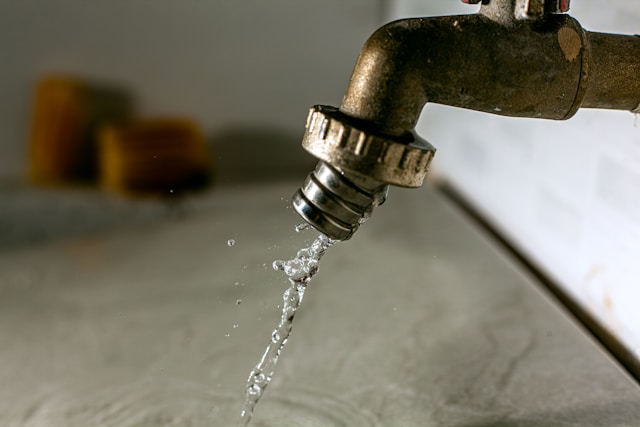
This article explores Preventing Plumbing Emergencies: Leak Detection, System Maintenance, and Smart Plumbing Solutions, offering a comprehensive look at how homeowners and businesses can protect their properties, improve efficiency, and ensure long-term reliability of their plumbing systems.
The Importance of Leak Prevention
Leak prevention is one of the most critical aspects of maintaining a healthy plumbing system. Even small leaks can lead to serious consequences over time, including structural damage, mold growth, and increased water bills.
Leaks often originate from weak points in pipes, worn-out fixtures, or faulty connections. Identifying these vulnerabilities early is essential for preventing more severe problems. Professional plumbers use techniques such as pressure testing to assess the integrity of the system and detect hidden leaks.
In recent years, smart leak detectors have become increasingly popular. These devices monitor water flow and alert property owners to unusual activity, allowing for immediate action. Some advanced systems can even shut off the water supply automatically when a leak is detected.
The key benefit of leak prevention is minimizing risk. By addressing issues before they escalate, property owners can avoid costly repairs and protect the structural integrity of their buildings.
System Maintenance: The Foundation of Reliability
Routine system maintenance is the backbone of effective plumbing management. Regular inspections and servicing ensure that all components of the plumbing system are functioning properly and efficiently.
Maintenance tasks typically include checking pipes, valves, and drainage systems for signs of wear or damage. Flushing systems helps remove sediment buildup, while descaling prevents mineral deposits from restricting water flow—particularly in areas with hard water.
Consistent maintenance significantly extends the lifespan of plumbing systems. By keeping pipes clean and free from obstructions, water can flow smoothly, reducing strain on the system and preventing unexpected failures.
Another advantage of routine maintenance is cost savings. Preventive care is far more affordable than emergency repairs, making it a wise investment for both residential and commercial property owners.
Emergency Plumbing Services: A Critical Safety Net
Despite best efforts at prevention, plumbing emergencies can still occur. This is where emergency plumbing services play a vital role. Available 24/7, these services provide immediate assistance for urgent issues such as burst pipes, severe blockages, and flooding.
Quick response times are essential in minimizing damage. For example, a burst pipe can release large volumes of water in a short period, potentially causing extensive structural damage. Emergency plumbers are equipped to handle such situations efficiently, stopping the source of the problem and initiating repairs.
Having access to reliable emergency services provides peace of mind, knowing that help is available whenever it is needed. However, it is important to remember that these services should complement—not replace—preventive measures.
Understanding Pipe Infrastructure
A plumbing system is only as strong as its infrastructure. This includes water supply lines, drainage systems, and sewer connections, all of which must work together seamlessly to ensure proper functionality.
Residential and commercial properties often have different plumbing requirements. Residential systems are typically smaller and less complex, while commercial systems must handle higher volumes of water and more demanding usage patterns.
Tailored solutions are essential for maintaining efficiency and reliability. For instance, commercial properties may require more robust piping materials and advanced drainage systems to accommodate heavy usage.
Understanding the structure and layout of your plumbing system is key to identifying potential risks and implementing effective maintenance strategies.
Smart Plumbing Technology: The Future of Prevention
Technology is transforming the way plumbing systems are managed and maintained. Smart plumbing solutions offer advanced features that enhance monitoring, efficiency, and emergency response.
Devices such as leak sensors and automatic shut-off valves provide real-time data on water usage and system performance. These tools can detect abnormalities early, allowing property owners to address issues before they become serious problems.
Many smart systems are connected to mobile apps, enabling users to monitor their plumbing remotely. This is particularly useful for property owners who travel frequently or manage multiple locations.
The integration of smart technology not only improves convenience but also adds an extra layer of protection against emergencies. By combining automation with real-time monitoring, these systems represent a significant advancement in plumbing management.
Renovation Plumbing: A Strategic Opportunity
Renovation projects present an excellent opportunity to upgrade plumbing systems. Whether it’s a home remodel or a commercial renovation, updating outdated infrastructure can improve efficiency, safety, and compliance with current regulations.
During renovations, property owners can replace old pipes, install modern fixtures, and incorporate smart plumbing technology. This proactive approach ensures that the system is equipped to handle current and future demands.
Renovation plumbing also allows for better planning and design. For example, optimizing pipe layouts can improve water flow and reduce the risk of leaks or blockages.
By taking advantage of renovation opportunities, property owners can modernize their plumbing systems and enhance overall performance.
How These Elements Work Together
A key aspect of Preventing Plumbing Emergencies: Leak Detection, System Maintenance, and Smart Plumbing Solutions is understanding how different components of the system are interconnected.
Leak prevention and system maintenance work hand in hand to ensure long-term reliability. Regular inspections help identify potential issues, while preventive measures address them before they escalate.
Smart plumbing technology enhances these efforts by providing real-time insights and automated responses. In the event of an emergency, these systems can quickly alert property owners and even take corrective action.
Renovation projects offer an opportunity to integrate all these elements, creating a modern and efficient plumbing system that meets current standards and future needs.
By adopting a holistic approach, property owners can significantly reduce the risk of plumbing emergencies and maintain a high level of system performance.
Practical Takeaways for Property Owners
To effectively prevent plumbing emergencies, consider the following practical strategies:
- Schedule regular inspections and maintenance to identify potential issues early
- Invest in smart leak detection systems for real-time monitoring
- Address minor leaks and wear promptly to prevent escalation
- Upgrade plumbing infrastructure during renovations for improved efficiency
- Ensure access to reliable emergency plumbing services for urgent situations
Preventive maintenance is not only more cost-effective than emergency repairs but also essential for maintaining the longevity and reliability of plumbing systems.
For professional services and expert guidance, visit: https://www.patriotbathrooms.com/
Additionally, resources such as the Energy Saving Trust (https://www.energysavingtrust.org.uk), the British Plumbing Employers Council (https://www.bpec.org.uk), and UK Government Building Regulations (https://www.gov.uk/building-regulations) provide valuable information on water efficiency, standards, and compliance.
Conclusion
Understanding Preventing Plumbing Emergencies: Leak Detection, System Maintenance, and Smart Plumbing Solutions highlights the importance of proactive care and modern technology in maintaining a reliable plumbing system. By focusing on prevention, regular maintenance, and smart innovations, property owners can significantly reduce the risk of costly and disruptive emergencies.
From detecting leaks early to upgrading infrastructure during renovations, every step contributes to a more efficient and resilient system. Emergency services remain a crucial safety net, but the ultimate goal is to minimize the need for them through effective planning and management.
In today’s fast-paced world, investing in preventive plumbing solutions is not just a necessity—it is a smart and sustainable choice for protecting your property and ensuring peace of mind.